
The Dark Trick and Consent
Blood CanticleMona’s transformation raises the novel’s recurring question of whether a life-saving act can be morally justified when its recipient cannot fully consent.
increasing Bearing strength in each event
 decreasing
Bearing strength in each eventdecreasingThe Choice at Death’s Door
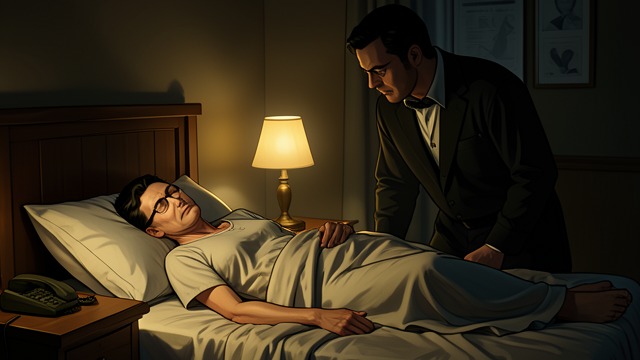
The Choice at Death’s Door
A request under pressure
Mona asks for the Dark Gift after years of pain, but her failing body and imminent death leave little room for considered choice. Quinn asks Lestat to save her.
A decision by the maker
Lestat knows that the transformation will restore Mona, yet he also understands that she cannot grasp its permanent consequences. He proceeds, accepting responsibility rather than claiming that her desperate assent settles the matter.
The Maker’s Remorse
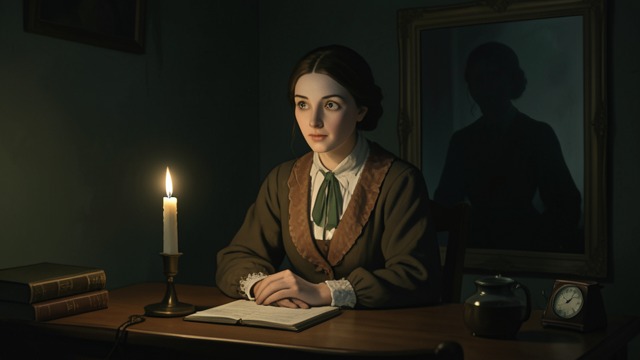
The Maker’s Remorse
A restored body
Mona’s sickness disappears and her senses awaken, confirming the healing power of the Blood. She is now an immortal predator bound to the night.
A private judgment
Lestat believes he may have murdered her soul by binding her to earthly existence. His guilt persists even as Mona appears joyful and physically whole.
Responsibility Without Certainty
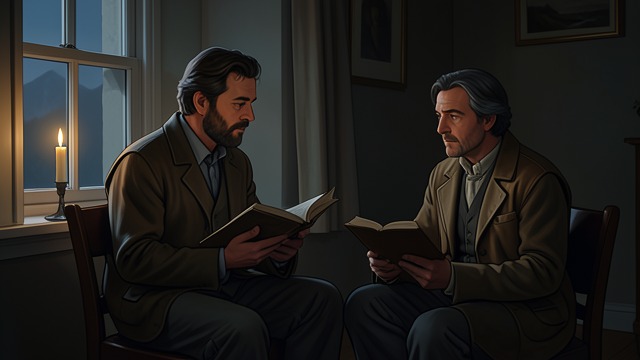
Responsibility Without Certainty
A new ethical education
Lestat tells Mona that vampirism does not remove natural law or moral obligation. They must still choose whom to hunt and how to use their power.
An unresolved theology
Mona asks whether vampires can share in salvation, and Lestat cannot give certainty. The transformation gives her freedom from mortal pain, but not a settled answer about grace or damnation.
When Mona reaches Quinn’s bedroom
Immediately after Mona awakens
During Lestat’s later conversations with Mona
